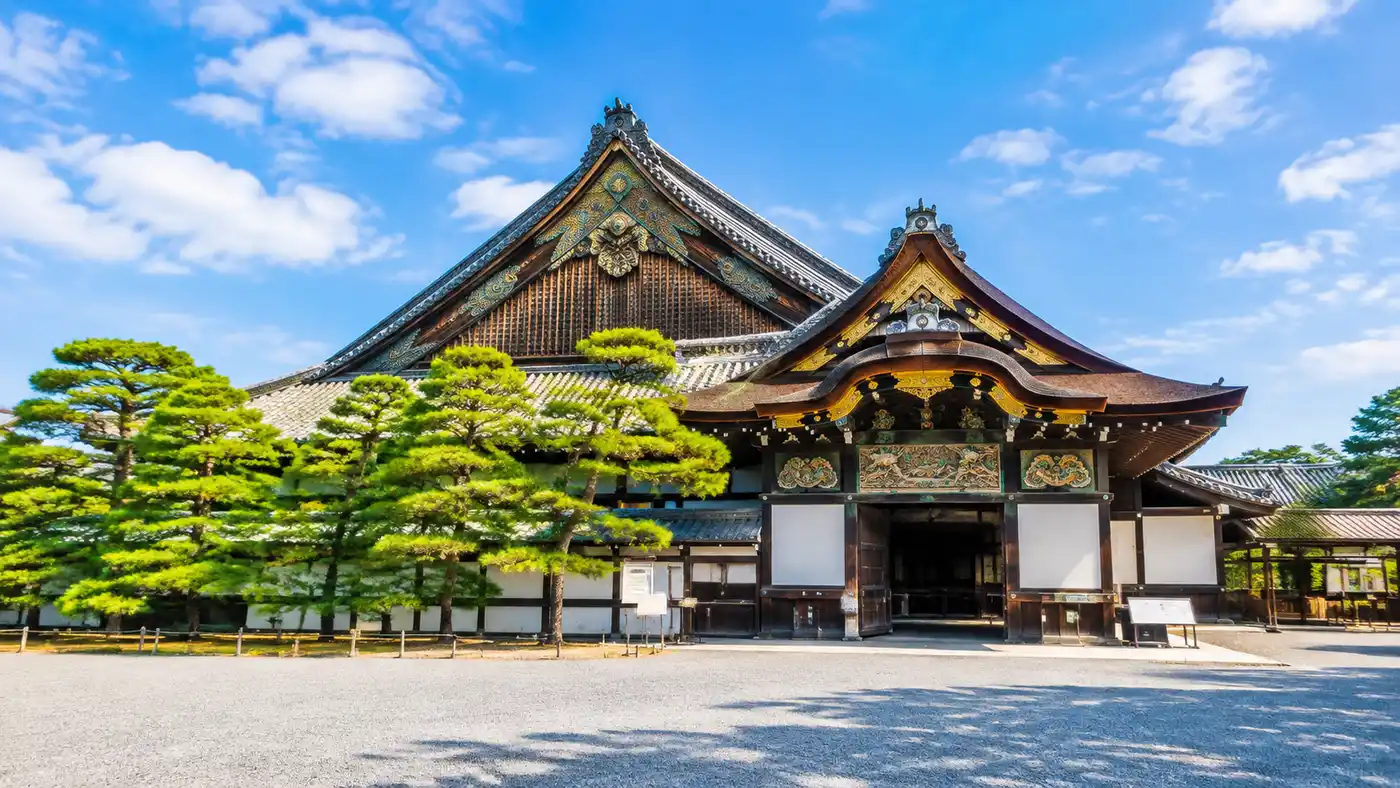
Nijo Castle in Kyoto Itinerary & Nearby Attractions
Kyoto, for all its ancient charm, holds a few spots that really stand out, and Nijo Castle is absolutely one of them. If you’re trying to figure out a solid Nijo Castle itinerary, you’ve landed in the right place. This isn't just another old building; it’s a UNESCO World Heritage site, a place where shoguns lived and plotted, full of incredible history and surprising details.
You might be wondering how long to spend there, what parts are truly worth seeing, or what else you can do nearby once you’ve explored the castle grounds. We’ll dive into all that, plus some honest thoughts on places like the Kyoto Imperial Palace, because sometimes it’s tough to pick between famous castles in Kyoto. I’ll share some tips for getting around and finding good food too, because nobody wants to explore on an empty stomach.
Book your nijo castle experience:
Planning Your Nijo Castle Visit and What to Expect
First things first, getting to Nijo Castle is pretty straightforward. The Tozai subway line has a station right outside the main gate, which is super convenient. From Kyoto Station, it’s a quick bus ride or a couple of subway transfers. If you want all the nitty-gritty details on travel times and routes, honestly, our guide on how to get to Nijo Castle covers it perfectly.
I think the best time to visit Nijo Castle is definitely first thing in the morning, right when they open. You beat the crowds, especially the big tour groups, and it feels much more peaceful. The grounds are expansive, and you’ll want to take your time, especially in Ninomaru Palace. Allow yourself at least two hours, maybe three if you’re really into history and gardens. The admission fee is pretty reasonable, usually around ¥1,300 for adults, but you can always check our article on Nijo Castle tickets, hours & admission fees for the most current prices.
Pro tip: Wear shoes that are easy to slip on and off. You’ll be taking them off to walk through Ninomaru Palace, and doing it quickly saves a little time and hassle, especially if you visit during a busy period.
The castle grounds are quite large, so pacing yourself is key. You'll walk a lot, but it’s mostly flat. During certain times of the year, like cherry blossom season, they have special night illuminations. It's a completely different experience after dark, very atmospheric, and honestly, a bit magical with the lights on the trees. If you happen to be there during spring, check out the Nijo Castle cherry blossom & night illumination events for dates and times.
Exploring Nijo Castle: Key Highlights of Your Itinerary
Your Nijo Castle itinerary will likely start at the Higashi-Otemon Gate, the main entrance. From there, you'll head straight for Ninomaru Palace. This is the absolute star of the show, in my opinion. The "nightingale floors" are famous – they squeak when you walk on them, designed to alert guards to intruders. It's a really unique sensation, and it truly makes you feel like you've stepped back into the Edo period.
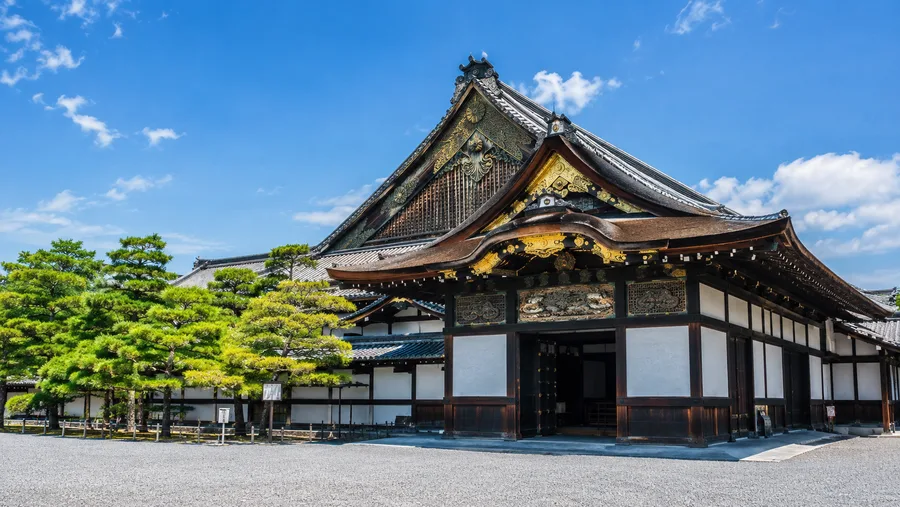
Inside Ninomaru, the lavishly decorated rooms, with their intricate paintings and carvings, tell stories of power and prestige. You’ll walk through various audience chambers and residential areas, each one more impressive than the last. The Ninomaru Garden outside is equally stunning, a classical Japanese landscape garden that changes beautifully with the seasons. Seriously, spend some time just sitting on the palace veranda, soaking it all in. We have a whole guide to exploring Ninomaru Palace & Gardens at Nijo Castle if you want more depth.
- Ninomaru Palace: The main draw, with its nightingale floors and ornate chambers. Don't rush through this part.
- Ninomaru Garden: A beautiful traditional Japanese garden, perfect for a peaceful stroll after the palace.
- Honmaru Palace: You can only view this from the outside, as it's not open to the public. It sits on a raised stone base, looking quite formidable.
- Honmaru Garden: Another lovely garden area, offering different views of the Honmaru Palace and the surrounding moats.
- Inner and Outer Moats: These are impressive, giving you a real sense of the castle's defensive capabilities.
After Ninomaru, you’ll cross over to the Honmaru area. The Honmaru Palace itself isn't open to visitors, but you can walk around its impressive outer walls and through the Honmaru Garden. The views from the top of the keep mound (though the original keep is long gone) are pretty good, giving you a panoramic look at the entire castle complex and parts of Kyoto beyond. It’s a good spot to get your bearings and appreciate the scale of these ancient Kyoto castles. If you're keen on diving deeper into this specific area, our article on Honmaru Palace & Other Nijo Castle Features offers great insights.
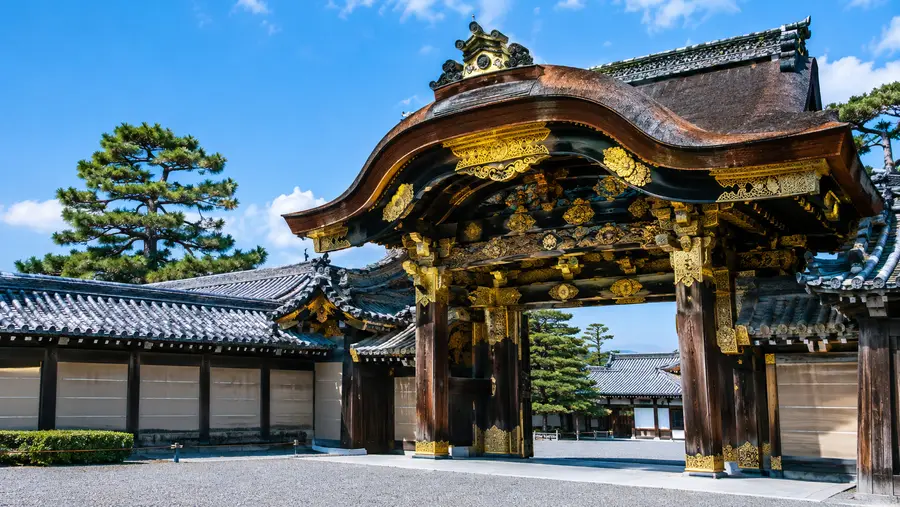
Beyond Nijo Castle: Things to Do Near Nijo Castle
Once you’ve finished your Nijo Castle itinerary, you’re in a great spot to explore more of central Kyoto. There are plenty of things to do near Nijo Castle. One of the most obvious is the Kyoto Imperial Palace. It's not too far, maybe a 15-20 minute walk east, or a quick subway ride. Now, a lot of people ask, "Nijo Castle or Imperial Palace?" or "Nijo Castle vs. Imperial Palace?" They are quite different.
Nijo Castle gives you an incredible look into shogun life – the actual living quarters, the detailed art, the "nightingale floors." The Imperial Palace, on the other hand, is much more about the formal ceremonial spaces of the Emperor. You mostly walk around the expansive grounds and view the buildings from a distance. The Kyoto Imperial Palace entrance fee is usually free, but you might need to book a tour in advance. Honestly, if you only have time for one, I’d lean towards Nijo Castle for its immersive experience, but both are significant famous castles in Kyoto. If you have time, do both to get a full picture of Japanese power structures.
Note: While Kyoto Imperial Palace is historically significant, many visitors find it less engaging than Nijo Castle because you can't enter the main buildings, just view them from outside. Manage your expectations if you choose to visit both.
Another nice spot nearby is the Kyoto Art Center. It's only a 10-minute walk from Nijo Castle and often has interesting exhibitions, sometimes free. It’s a cool modern contrast to the ancient castle. For those who enjoy temples near Nijo Castle, there are a few smaller ones tucked away in the residential streets, like Seimei Shrine, known for its connection to a famous onmyoji (diviner) and its unique five-pointed star emblem. It's a quick, quirky stop.
| Attraction | Typical Visit Time | Main Draw | Admission Fee (approx.) |
|---|---|---|---|
| Nijo Castle | 2-3 hours | Nightingale floors, Ninomaru Palace, historical significance | ¥1,300 |
| Kyoto Imperial Palace | 1-1.5 hours | Imperial gardens, ceremonial halls (exterior views) | Free (tours may require booking) |
| Kyoto Art Center | 0.5-1 hour | Contemporary art exhibitions, cultural events | Varies (often free) |
Book your nijo castle experience:
Where to Eat and Shop Near Nijo Castle
All that walking around Nijo Castle will make you hungry, trust me. Luckily, the area has some excellent options for food. You're not far from some good ramen shops and traditional Japanese eateries. For example, there's a fantastic little udon place called Omen Nijo Castle, just a 5-minute walk north. Their handmade udon noodles are incredible, served with a big bowl of dipping broth and fresh vegetables. It’s a solid, authentic lunch option.
- Omen Nijo Castle: Famous for its delicious udon noodles, a perfect hearty lunch.
- Saganoya: A small, local spot specializing in tempura, often busy but worth the wait.
- Kyoto Kitchen: Offers a mix of Japanese and Western dishes, good if you're traveling with picky eaters.
If you're looking for something quick, there are convenience stores scattered around for snacks and drinks. For those interested in shopping near Nijo Castle, you won't find huge department stores, but there are smaller artisan shops selling local crafts and souvenirs. Look for pottery, textiles, or maybe even a traditional Japanese sweet shop. I remember finding a lovely little place selling handcrafted paper goods just a few blocks south of the castle. It’s always nice to pick up something unique that isn't mass-produced.
Sometimes you might even stumble upon a sword shop near Nijo-jo Castle, though these are typically more for collectors or enthusiasts and less for casual souvenir hunters. They're usually quite specialized. The area around Nijo Castle isn't as bustling with shopping as, say, Shijo Street, but it has a more local, neighborhood feel, which I appreciate.
Considering Longer Itineraries and Comparisons
When planning a longer trip to Japan, people often compare Nijo Castle to other famous sites. "Nijo Castle vs Himeji Castle" is a common debate. Himeji Castle is Japan's most iconic original castle, a massive white heron soaring over the landscape. It's stunning, but it's a full-day trip from Kyoto. Nijo Castle offers a more intimate look at shogun life, right in the heart of Kyoto. They offer different experiences, so if you have time, see both. If you only have a few days in Kyoto, Nijo Castle is much easier to fit into a Kyoto itinerary.
Another comparison is "Nijo Castle vs Osaka Castle." Osaka Castle is a modern reconstruction, impressive in scale but lacking the original historical details you find at Nijo. It has an elevator and a museum inside, which is convenient, but it doesn't have the same authentic feel. For a truly historical experience, Nijo Castle wins hands down. If you're doing a Kyoto and Nara day trip from Kyoto, including Nijo Castle, you'll be pretty packed, but it's doable if you start early.
Many visitors combine Nijo Castle with other Kyoto highlights like Fushimi Inari and Kinkaku-ji. The location of Nijo Castle relative to Kyoto Station and Kinkaku-ji is quite central, making it a good starting point for a day of sightseeing. You could easily visit Nijo Castle in the morning, then take a bus or taxi up to Kinkaku-ji (the Golden Pavilion) in the afternoon. That’s a classic Kyoto day, giving you a taste of both samurai history and imperial elegance.
Frequently Asked Questions about nijo castle itinerary
How long should I spend at Nijo Castle?
Plan for at least 2 to 3 hours to comfortably explore Ninomaru Palace, the gardens, and the Honmaru area. Rushing through it means you'll miss a lot of the detail.
Is the Kyoto Imperial Palace worth visiting after Nijo Castle?
It depends on your interests. The Imperial Palace is more about grand grounds and viewing buildings from afar, while Nijo Castle offers an immersive interior experience. If you have time and enjoy expansive gardens, it's a good complement, but Nijo Castle is generally more engaging for most visitors.
What's the best way to get to Nijo Castle?
The easiest way is to take the Tozai subway line directly to Nijo-jo-mae Station, which is right outside the castle's main entrance. Buses from Kyoto Station also stop nearby.
Quick Reference
- Location: Central Kyoto
- Main Attraction: Ninomaru Palace, nightingale floors
- Typical Visit: 2-3 hours
- Best Time: Early morning
- Admission: Around ¥1,300
Book your nijo castle experience:
My Take
Honestly, Nijo Castle is one of those places in Kyoto that just sticks with you. It’s got a real sense of history, a bit of mystery with those creaking floors, and gardens that are genuinely beautiful. It’s an essential stop for anyone wanting to understand Japan's feudal past, and it fits perfectly into almost any Kyoto itinerary. Don't skip it just because you're trying to pack in all the temples; this castle offers a completely different, equally rich experience. Just remember to give yourself enough time to truly soak it all in, and maybe grab some udon afterward.
Read more about nijo castle.